%2Ffit-in%2F250x250%2Fguide_websites%2F72794%2Fimages%2F1768257050002knotworkfishingcharterslogo.png&w=1200&q=100)
/users/5bf44435-fc57-4ece-8397-29595e603d4f/ratecard/image-2026-01-13t032744.475-mkblk66o.png)
%2F300x300%2Fusers%2F5bf44435-fc57-4ece-8397-29595e603d4f%2Fratecard%2Fimage-2026-01-13t032744.475-mkblk66o.png&w=256&q=75)
%2F300x300%2Fusers%2F5bf44435-fc57-4ece-8397-29595e603d4f%2Fimages%2Ffishing-adventure-florida-2472.png&w=256&q=75)
%2F300x300%2Fusers%2F5bf44435-fc57-4ece-8397-29595e603d4f%2Fimages%2Fsnook-caught-florida-2461.png&w=256&q=75)
%2F300x300%2Fusers%2F5bf44435-fc57-4ece-8397-29595e603d4f%2Fimages%2Fanglers-fishing-port-canaveral-2377.png&w=256&q=75)
%2F300x300%2Fusers%2F5bf44435-fc57-4ece-8397-29595e603d4f%2Fimages%2Fbountiful-saltwater-catch-florida-2724.png&w=256&q=75)
%2F300x300%2Fusers%2F5bf44435-fc57-4ece-8397-29595e603d4f%2Fimages%2Fbest-great-fishing-port-canaveral-2299.png&w=256&q=75)
%2F300x300%2Fusers%2F5bf44435-fc57-4ece-8397-29595e603d4f%2Fimages%2Fsnook-fishing-florida-2428.png&w=256&q=75)
%2F300x300%2Fusers%2F5bf44435-fc57-4ece-8397-29595e603d4f%2Fimages%2Fmagnificent-florida-fishing-getaway-2365.png&w=256&q=75)
%2F300x300%2Fusers%2F5bf44435-fc57-4ece-8397-29595e603d4f%2Fimages%2Fgiant-trevally-florida-fishing-2589.png&w=256&q=75)
%2F300x300%2Fusers%2F5bf44435-fc57-4ece-8397-29595e603d4f%2Fimages%2Fanglers-great-catch-port-canaveral-2531.png&w=256&q=75)
%2F300x300%2Fusers%2F5bf44435-fc57-4ece-8397-29595e603d4f%2Fimages%2Ffishing-adventure-port-canaveral-2566.png&w=256&q=75)
Port Canaveral Inshore Private Charters 2 Hours
 Port Canaveral, FL
What you will be catching:
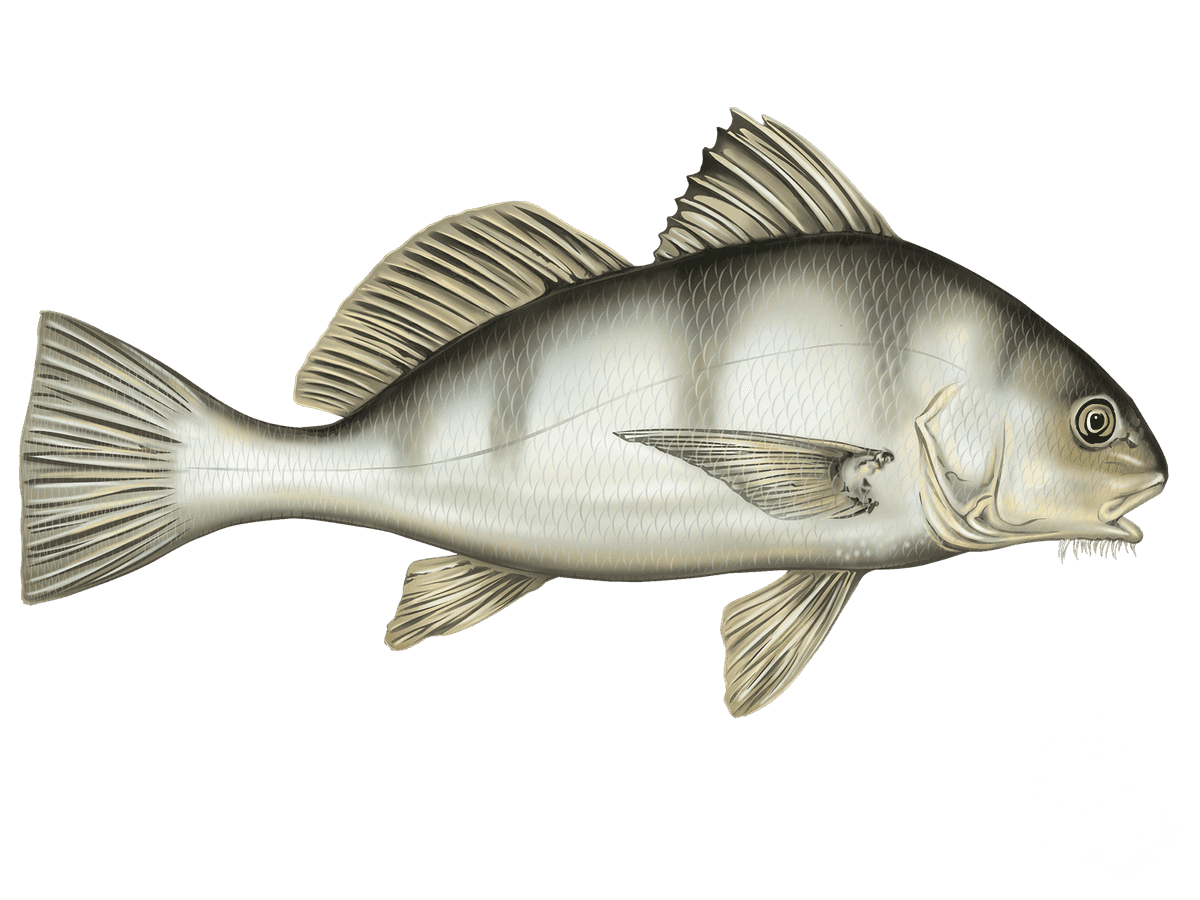
 Black Drum
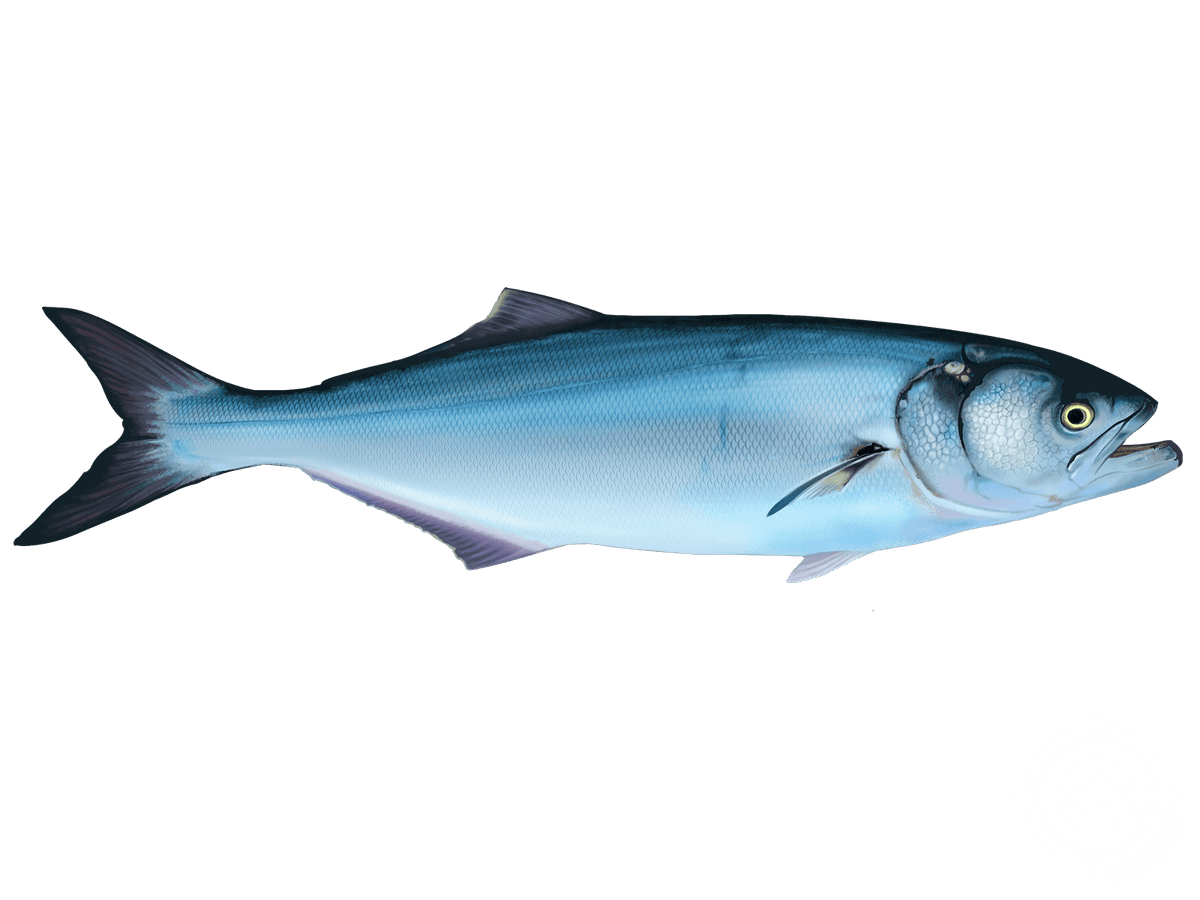
 Bluefish
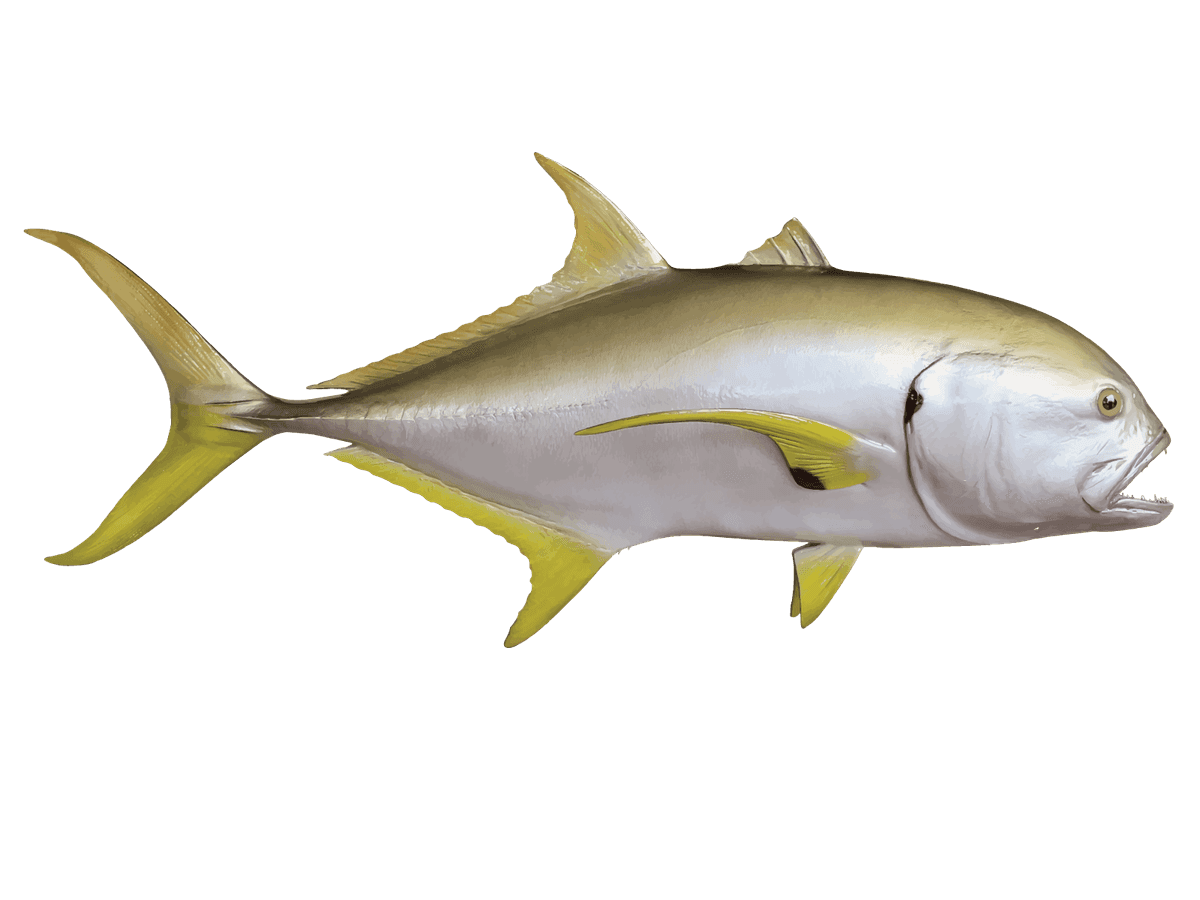
 Crevalle Jack
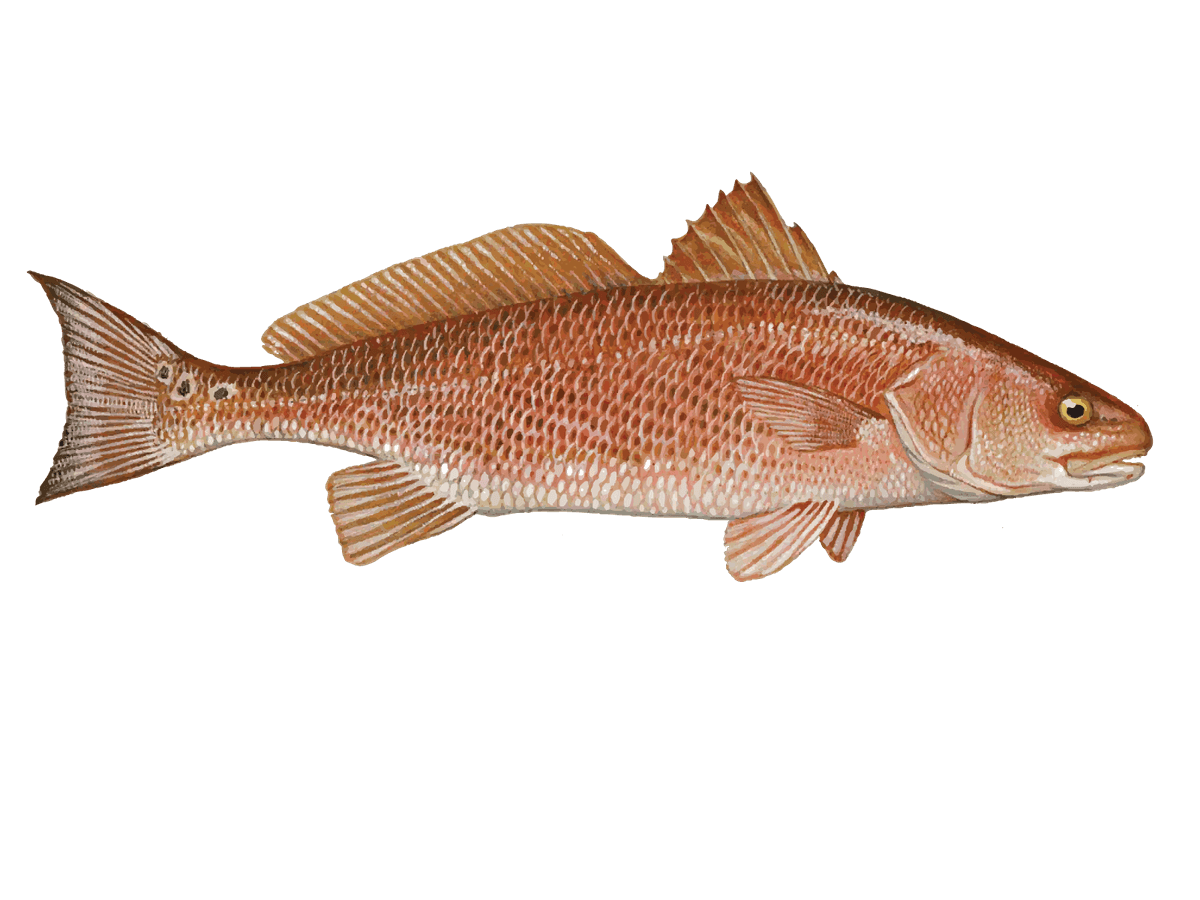
 Redfish
 Snook
Snook
- Two-hour private charters accommodate maximum four guests with included equipment
- Morning and afternoon departures target redfish, trout, and snook near port
- Expert coaching provided for all skill levels during relaxed fishing experience
Trip Pricing and Availabilities:
Port Canaveral 2-Hour Private Fishing Trips
Looking for a quick fishing fix without burning your whole day? Our 2-hour private charters in Port Canaveral are exactly what you need. Whether you're squeezing in some fishing before the family hits the beach or you want to test the waters before booking something longer, these short trips pack serious action into a bite-sized package. We've got morning slots at 8 AM for early birds and noon departures for those who like to sleep in. With all your gear, tackle, and fuel included, you just show up ready to fish. No crowds, no strangers – just you, your crew of up to 4 people, and some of the best inshore fishing Florida has to offer.
What to Expect on the Water
These aren't your typical "throw a line and hope" kind of trips. In two hours, we're moving fast and fishing smart to maximize your time on the water. Port Canaveral's backwaters and flats are loaded with structure – oyster bars, mangrove shorelines, and grass beds that hold fish year-round. The morning trips often start cooler with less boat traffic, which means the fish are more active and less spooked. Afternoon runs can be productive too, especially when the tide's moving right. You'll be casting to visible targets, working the edges of channels, and learning to read the water like a local. Don't worry if you've never held a rod – I'll have you casting like a pro and understanding why we're fishing certain spots. Families love these trips because kids stay engaged, and beginners get personal attention without feeling rushed.
Techniques and Tackle
We're fishing light tackle here – mostly spinning gear with 15-20 pound test line that gives you a real fight without overpowering smaller fish. Live bait is king in these waters, so we'll rig up with shrimp, pilchards, or finger mullet depending on what's biting. You'll learn basic inshore techniques like sight casting, working structure, and reading the water for signs of life. Artificial lures come into play too – soft plastics, spoons, and topwater plugs that drive fish crazy when presented right. The boat's rigged with everything you need: rods, reels, tackle, bait, and a cooler full of ice. I'll handle the net and fish care, plus give you tips on proper catch and release techniques. Port Canaveral's channels and lagoons are shallow enough that you can often see the fish you're targeting, which makes for some seriously exciting sight fishing opportunities.
Top Catches This Season
Redfish are the bread and butter of Port Canaveral inshore fishing. These copper-colored bruisers love cruising the grass flats and oyster bars, especially during moving tides. They're aggressive feeders that will absolutely demolish a well-placed shrimp or soft plastic. Reds fight hard, pulling drag and making runs that'll test your skills. Peak season runs from late spring through early fall, but we catch them year-round. What makes redfish special is their willingness to eat and their impressive stamina – a 5-pound red will fight like it's twice that size.
Crevalle Jack might not win beauty contests, but they're pure muscle wrapped in silver. These fish hunt in schools and when you find them, the action gets wild fast. They'll hit topwater lures with explosive strikes and then proceed to drag you around the boat. Jacks show up when baitfish are thick, usually in deeper channels and around structure. Summer months are prime time, but they're around most of the year. Anglers love them because they're aggressive, hard-fighting, and not too picky about what they eat.
Bluefish are Port Canaveral's speed demons. These toothy predators travel in schools and feed with serious aggression, often creating feeding frenzies that are visible from far away. They're excellent table fare when handled properly and put up a respectable fight for their size. Spring and fall migrations bring the biggest concentrations, but resident populations keep things interesting year-round. Blues will hit both live bait and artificials, making them perfect targets for anglers wanting to try different techniques.
Snook are the glamour fish of inshore Florida waters. These golden-sided beauties are ambush predators that love structure – docks, mangroves, bridges, and oyster bars. They're notoriously finicky eaters that will test your presentation skills, but when you connect, the fight is worth every bit of effort. Snook are catch-and-release only during closed seasons, which helps maintain healthy populations. Warm weather brings out their aggressive feeding, especially around dawn and dusk. Landing a slot-sized snook is a real accomplishment that separates casual anglers from serious enthusiasts.
Black Drum are the gentle giants of the flats. These bottom feeders use their pharyngeal teeth to crush crabs and shellfish, making them unique among our target species. They're powerful fish that use their size and strength rather than speed to test your tackle. Cooler months often produce the biggest drum, with fish over 20 pounds not uncommon. They're excellent eating in smaller sizes and provide steady action when other species are being picky. Drum fishing teaches patience and proper bottom fishing techniques that translate to other species.
Time to Book Your Spot
Two hours might not sound like much, but it's plenty of time to get a real taste of what Port Canaveral fishing is all about. These trips are perfect for testing the waters before booking longer adventures, introducing kids to fishing, or just scratching that fishing itch when time is tight. With no hidden fees, fuel included, and all gear provided, you're getting maximum value and minimum hassle. Morning or afternoon – both have their advantages, and both put fish in the boat. Ready to see what these waters have to offer? Book your 2-hour private charter today and discover why Port Canaveral keeps anglers coming back for
Learn more about the animals
Black Drum
Black Drum are the gentle giants of our flats, ranging from 5-30 pounds with some real monsters pushing 50+. These dark, powerful fish love oyster beds and shallow muddy areas where they cruise around crushing shells with their pharyngeal teeth. Spring is prime time when they school up for spawning - that's when you'll hear their distinctive drumming sounds underwater. They're bottom feeders, so fresh crab, clams, or cut bait on the bottom works best. The smaller ones under 15 pounds are good eating, but the big ones are tough and better released. What's cool is their adaptability - they handle both salt and brackish water. My go-to tip: use crab bait on a Carolina rig and be patient. When they pick it up, give them time to really eat it before setting the hook.
Bluefish
Bluefish are aggressive predators that show up in our waters during the warmer months, typically running 2-10 pounds with razor-sharp teeth. These blue-green speedsters travel in schools and go into feeding frenzies that'll churn the water white. You'll find them from the surf to 100+ feet offshore, but they love hitting baitfish schools on the surface. Summer through early fall is prime time. They hit hard and fight strong with powerful runs. The smaller "snappers" are great for kids to catch. Oily baits like mullet or sardines work best, along with silver spoons and cut bait. Here's what I always tell folks: use wire leaders or heavy mono - those teeth will slice through regular line like butter.
Crevalle Jack
Crevalle Jacks are the bulldogs of our local waters - pure muscle and attitude. These brassy-green fighters average 12-24 inches but can hit 4 feet and really test your drag. You'll find them both inshore around grass flats and offshore near structure. They hunt in schools, so look for diving birds - that's your best sign they're pushing bait to the surface. These fish love the chase, so fast-moving lures work best. Silver spoons, swimbaits, and topwater plugs get them fired up. While they're not great table fare, the fight more than makes up for it. They'll run hard and fight dirty. Pro tip: cast beyond the school and retrieve fast - they can't resist something trying to escape.
Redfish
Redfish are one of our most popular targets around Port Canaveral. These copper-colored beauties with their distinctive black spots near the tail typically run 18-28 inches and love our shallow flats and oyster bars in 1-4 feet of water. They're not picky eaters - topwater plugs, soft plastics, and live shrimp all work great. Spring through fall gives you the best action when they're actively feeding. What makes redfish special is their powerful runs and that distinctive bronze color. The meat is excellent too - mild and flaky when cooked fresh. Here's a local tip: when you see their backs sticking out of shallow water, they're feeding hard and less spooky. Cast past them and work your bait back slowly.
Snook
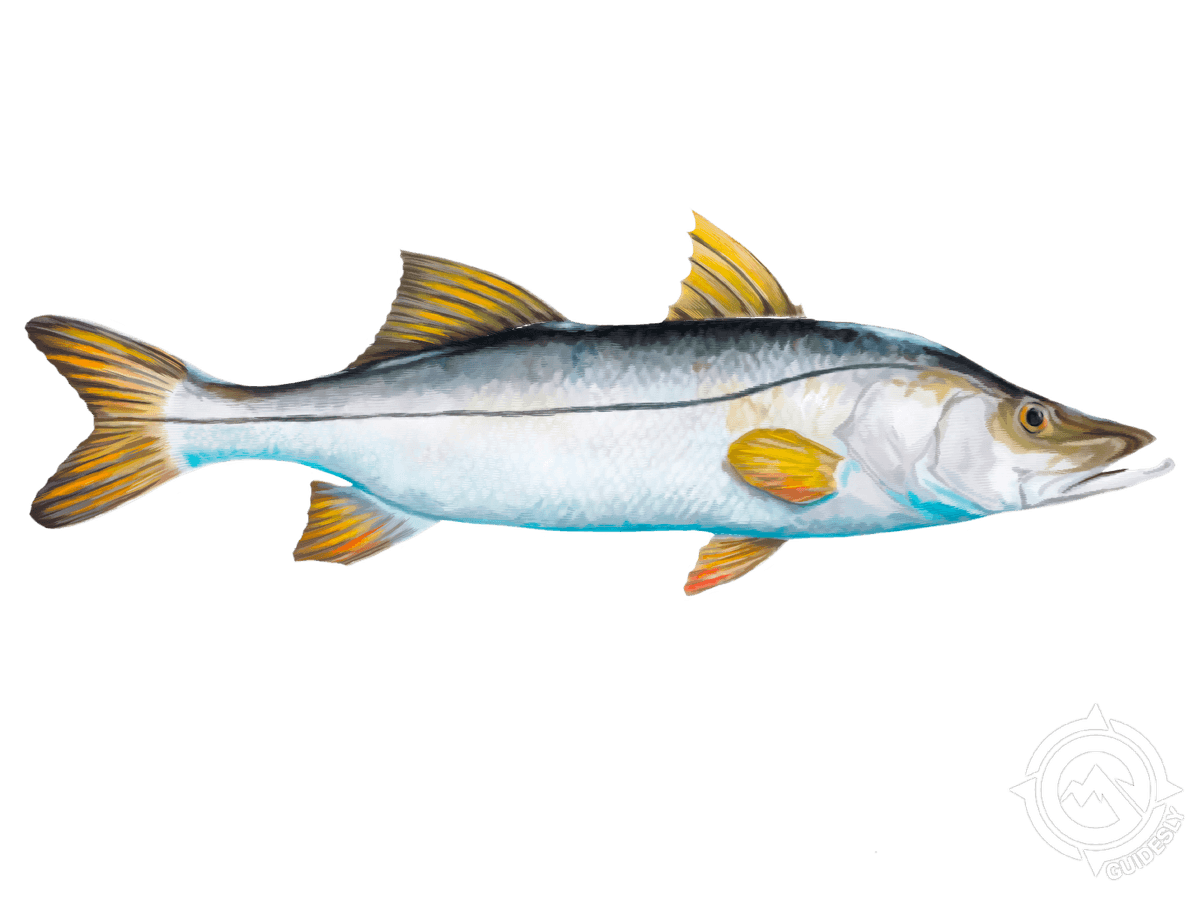
Snook are Florida's signature gamefish and a real treat to target around Port Canaveral's mangroves and inlets. These silvery fish with the bold black lateral line average 18-24 inches but can stretch over 3 feet. They're structure lovers, hanging around docks, bridges, and mangrove shorelines in both salt and brackish water. Warmer months are best, especially around the full moon spawning periods. What makes snook special is their explosive strikes and acrobatic jumps - they'll clear the water trying to throw your hook. Plus, they're excellent eating with firm, white meat. The same lures that work for bass work here: soft plastics, topwater plugs, and live shrimp. Local tip: fish the shadow lines under docks and bridges - snook love ambushing bait from the shade.
About the 24ft Sailfish
%2F%2Fusers%2F5bf44435-fc57-4ece-8397-29595e603d4f%2Fvehicle_picture%2Fimage-2026-01-13t032805.315-mkbl0zcz.png&w=1200&q=75)
Vehicle Guest Capacity: 4
Manufacturer Name: Yamaha
Maximum Cruising Speed: 35
Number of Engines: 2
Horsepower per Engine: 150